
換髖、換膝手術後恢復時間表,從出院到走路,每一週該做什麼 Hip & Knee Replacement Recovery Timeline, What to Do Week by Week, From Discharge to Walking
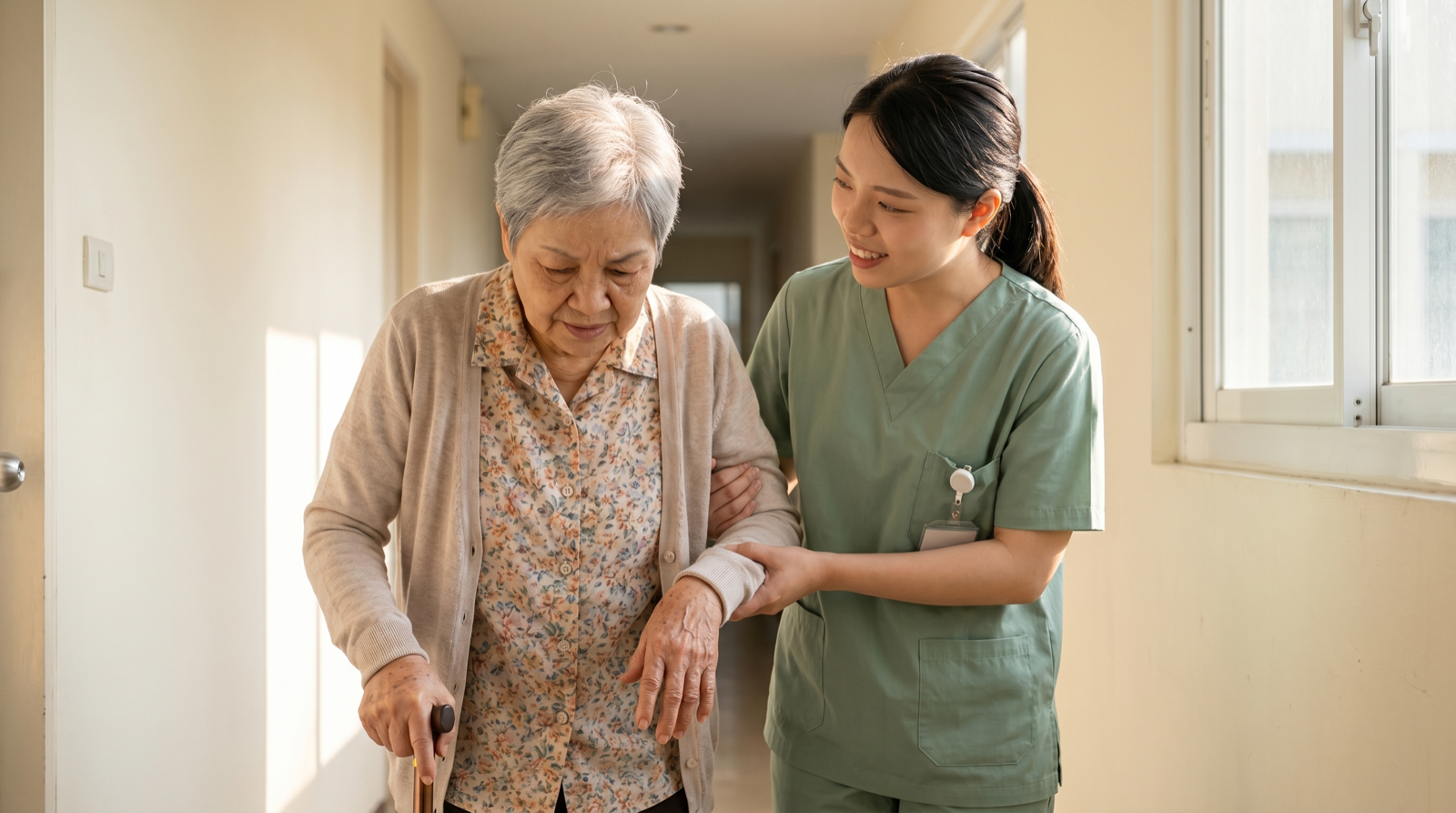
「媽媽換完膝蓋,什麼時候可以走路?」這是我們最常被家屬問到的問題。在台灣,人工髖關節或膝關節置換後通常住院約3到7天,之後的恢復大多在家裡進行,而最容易出問題的,往往就是出院後的前兩週。以下整理一份典型的恢復時間表,幫助您知道每個階段該注意什麼。每個人的狀況不同,實際進度請以主治醫師與復健師的指示為準。
第1~2週,傷口照護與防跌是重點
出院後的頭兩週,目標是「不出事」,先不求「走得多」。這個階段的每日功課包括
- 傷口觀察與換藥保持乾燥,注意有無紅腫、滲液或異味。
- 消腫與冰敷腫脹是正常的,抬高患肢、按醫囑冰敷可以減輕疼痛。
- 助行器走路短程、多次,在室內用助行器練習,千萬不要逞強空手走。
- 床上運動踝關節幫浦運動(腳板上下擺動)與股四頭肌等長收縮,預防血栓、維持肌力。
特別提醒,若出現單側小腿腫脹、疼痛,可能是深層靜脈栓塞(DVT),請立即聯絡醫師。而這兩週最經典的災難是「半夜起床上廁所跌倒」,請務必清空地面雜物、加裝小夜燈與止滑墊,夜間如廁一定要用助行器,最好有人在旁協助。
第3~6週,從助行器進步到拐杖
傷口穩定後,重心轉向行動能力。多數人在這個階段從助行器漸進到單手拐杖,並開始規律回診復健。練習上下樓梯時記住口訣,「好腳上天堂,壞腳下地獄」,上樓先踏健側腳,下樓先踏手術側腳。定期回復健科報到,進度由復健師評估調整。
第6~12週,恢復日常,膝關節要撐過「彎曲關卡」
大部分日常活動會在這個階段陸續回來。換膝的長輩請特別注意,膝關節置換最大的敵人是「僵硬」,彎曲角度的練習會痛、會想放棄,但這是整個恢復過程中心理上最辛苦、也最關鍵的一關。復健師開的彎曲運動請確實做,運動後冰敷可減輕不適。這段時間家人的鼓勵,往往比任何藥都有用。
3~6個月,大部分功能恢復,完全復原可達一年
三到六個月時,多數人已恢復大部分功能,可以散步、買菜、爬樓梯。但肌力與耐力的完全恢復可能需要一年,請持續運動、按時回診,不要因為「感覺好了」就停止復健。
換髖的姿勢禁忌,90度法則
若採後側入路的人工髖關節手術,初期常見的禁忌包括,髖關節不彎超過90度(不坐矮椅、矮沙發)、不翹腳、不過度扭轉身體。建議準備加高馬桶座與長柄取物夾,減少彎腰需求。注意,姿勢限制依手術方式而異,前側入路的限制可能不同,請務必向您的主刀醫師確認。違反禁忌可能造成脫臼,若突然劇痛、患肢看起來變短或外轉,請立即就醫。
這些徵兆,請立刻聯絡醫師
- 發燒、傷口滲液或出現異味(感染)
- 小腿腫脹、壓痛(深層靜脈栓塞)
- 胸痛、呼吸困難,可能是肺栓塞,請直接打119
- 換髖者,突發劇痛、腿變短或外轉(脫臼徵兆)
長輩術後,前兩週的專業照顧最值得
高齡長輩術後還有兩個常被忽略的風險,一是術後譫妄(突然意識混亂、日夜顛倒),二是長輩怕麻煩子女而隱忍疼痛,導致止痛不足、不敢下床、恢復變慢。Alma 的術後居家照護由全國執照護理師(特別護士)從出院當天開始接手,傷口換藥、疼痛與用藥管理、攙扶行走與防跌、陪同回診復健。日班 NT$6,000、夜班 NT$6,600、24小時 NT$12,600,固定價格。最危險的頭兩週有專業的人在,家屬白天能上班、晚上能睡覺,長輩也敢說痛、敢練習。歡迎加 LINE @205tyguj 聊聊您的狀況。
常見問題 FAQ
換膝蓋手術恢復期要多久?
一般而言,6到12週可恢復大部分日常活動,3到6個月恢復多數功能,完全復原可能需要一年。膝關節的彎曲角度需要持續練習,實際進度請以您的主治醫師與復健師評估為準。
人工髖關節術後有哪些注意事項?
後側入路常見的初期禁忌是,髖關節不彎超過90度、不翹腳、不扭轉身體,並使用加高馬桶座與取物夾。限制依手術方式不同,請向主刀醫師確認您適用的版本。若突然劇痛、腿變短或外轉,可能是脫臼,請立即就醫。
術後在家最怕發生什麼事?
跌倒,尤其是半夜起床上廁所的時候。請清空走道、加裝小夜燈與止滑墊,夜間如廁務必使用助行器。前兩週若有人夜間陪伴照顧,風險會大幅降低。
出院後需要請特別護士嗎?
若長輩獨居、家人白天無法陪伴,或長輩年紀大、有譫妄或跌倒風險,出院後頭一到兩週請居家特別護士是投資報酬率最高的安排,傷口、用藥、防跌都有護理師把關,之後家人再接手會輕鬆許多。
爸媽換膝蓋後在家要怎麼照顧?
術後居家照顧重點在傷口照護、疼痛控制、預防跌倒與按計畫復健。要協助長輩規律服藥、觀察傷口有無紅腫滲液、依醫療團隊指示練習關節活動,並留意血栓徵兆。Alma 特別護理師可到府協助傷口換藥、用藥與術後監測,需要可加 LINE @205tyguj。
換髖關節術後注意事項有哪些?
換髖關節後最重要的是避免脫位,通常不要讓髖部彎曲超過九十度、不蹺腳、不向內扭轉,並依醫療團隊指示使用輔具與枕頭擺位。同時要顧好傷口、預防血栓與便祕。Alma 護理師可到府協助正確擺位、傷口照護與安全活動指導。
開刀後居家照顧要請人嗎?自己顧得來嗎?
若家人術後行動受限、傷口需換藥或用藥較複雜,專業照護能大幅降低跌倒與感染風險。Alma 的特別護理師是執照護理師,可到府處理傷口、用藥、術後監測與安全照顧,讓家屬安心休息。服務無仲介費,可加 LINE @205tyguj 諮詢。
膝關節置換恢復時間大概要多久?
膝關節置換的恢復因人而異,多數人約六週可恢復日常活動,完整復原與肌力恢復常需三到六個月,實際時程依醫療團隊評估為準。前幾週的傷口照護與規律復健最關鍵。Alma 護理師可在這段期間到府協助照護與監測進度。
膝蓋換完後可以找護理師到家裡照顧嗎?
可以。Alma 提供術後到府的居家護理,特別護理師能協助傷口換藥、疼痛與用藥管理、術後監測及安全活動,並依醫療團隊指示配合復健。服務涵蓋台北、新北、台中、高雄,無仲介費。可加 LINE @205tyguj 或來信 hello@caredbyalma.com。
髖關節手術後請護理師到府要多少錢?
Alma 特別護理師收費為日班 NT$6,000(早上 8 點到晚上 8 點)、夜班 NT$6,600、24 小時 NT$12,600,由執照護理師到府提供術後傷口照護、用藥、監測與安全擺位,沒有仲介費。實際照護會依醫療團隊指示安排。需要報價或評估可加 LINE @205tyguj。
"When will Mom walk again?" It is the question we hear most often after a joint replacement. In Taiwan, the hospital stay after a hip or knee replacement is typically around 3 to 7 days. After that, recovery happens at home, and the first two weeks at home are where things most often go wrong. Here is a week-by-week timeline of what a typical recovery looks like. Every patient is different, so always follow your surgeon's and physical therapist's specific instructions.
Weeks 1 to 2: Protect the Wound, Prevent the Fall
In the first two weeks, the goal is to avoid setbacks rather than to walk far. The daily routine looks like this
- Wound carekeep the incision dry and watch for redness, discharge, or odor at every dressing change.
- Swelling controlswelling is normal. Elevate the leg and ice as prescribed.
- Walker-assisted walkingshort, frequent walks indoors with a walker. Never attempt to walk unaided this early.
- Bed exercisesankle pumps and quad sets, several times a day, to keep blood moving and muscles firing.
Two warnings for this phase. First, new calf pain or swelling on one side can signal a deep vein thrombosis (DVT), call the doctor the same day. Second, the classic disaster of early recovery is a fall, almost always during a night-time bathroom trip. Clear the floors, add night lights and non-slip mats, and use the walker for every single trip, ideally with someone awake to help.
Weeks 3 to 6: From Walker to Cane
Once the wound is stable, the focus shifts to mobility. Most patients progress from a walker to a single cane during this stretch and begin regular outpatient rehab appointments. Stairs come back with a simple rule, lead with the good leg going up, lead with the operated leg going down. Let the physical therapist set the pace, progressing too fast is as risky as not progressing at all.
Weeks 6 to 12: Daily Life Returns, and Knees Hit the Hard Part
Most daily activities come back during this window. For knee replacements, this is also the mentally hardest phase, the enemy of a new knee is stiffness, and the bend-angle exercises that prevent it genuinely hurt. They are also exactly what the therapist prescribed. Do the painful-but-prescribed bending work, ice afterward, and keep going, patients who push through this phase are the ones who end up with a knee they forget they have.
Months 3 to 6: Most Function Back, Full Recovery Up to a Year
By three to six months, most people have regained the bulk of their function, walking, shopping, stairs. Strength and endurance keep improving for up to a year, so keep exercising and keep your follow-up appointments even when you feel recovered.
Hip Precautions, The 90-Degree Rule
After a posterior-approach hip replacement, the usual early precautions are, do not bend the hip past 90 degrees (no low chairs or sofas), do not cross your legs, and do not twist at the hip. A raised toilet seat and a long-handled reacher make these rules much easier to live with. Note that precautions depend on the surgical approach, anterior-approach patients often have different rules, so confirm yours with the surgeon. Sudden severe pain with a leg that looks shorter or rotated is a dislocation sign, seek care immediately.
Red Flags, Call the Doctor Now
Fever, wound discharge or odor (infection); one-sided calf swelling or tenderness (DVT); chest pain or shortness of breath, a possible pulmonary embolism, which in Taiwan means calling 119 immediately; and for hips, sudden pain with a shortened or rotated leg (dislocation).
Why the First Two Weeks of Professional Care Pay Off
Elderly patients face two risks families often miss, post-operative delirium (sudden confusion, day-night reversal) and undertreated pain, many stoic elders downplay pain to avoid burdening their children, then avoid moving, which slows everything down. Alma'spost-surgery home careplaces a nationally licensed RN with your family member from discharge day, wound monitoring and dressing changes, pain and medication management, mobility assistance and fall prevention, and escort to rehab and follow-up visits. Pricing is fixed, NT$6,000 per day shift, NT$6,600 per night shift, NT$12,600 for 24 hours, across Taipei, New Taipei, Taichung, and Kaohsiung.
If you are traveling to Taiwan for your joint replacement, ourmedical travel nursingservice covers the same RN care during your hotel recovery, with no surcharge for hotel visits. Reach us on LINE at @205tyguj or hello@caredbyalma.com.
FAQ
How long until I can walk normally after a knee replacement?
Most people walk with a walker from the first days, move to a cane around weeks 3 to 6, and handle most daily activities by weeks 6 to 12. Full strength can take up to a year. Your surgeon and physical therapist set the actual pace.
How long is the hospital stay for a joint replacement in Taiwan?
Typically around 3 to 7 days, depending on the hospital, the procedure, and how quickly you mobilize. Most of the recovery happens after discharge, at home or, for medical travelers, in a hotel.
I'm having my joint replacement in Taiwan as a medical traveler. Can I recover in a hotel?
Yes, with the right support. Alma's licensed RNs provide the same post-surgery care in hotels as in homes, with no surcharge, dressing changes, medication management, mobility help, and escort to follow-up appointments, so you can recover safely before flying home.
When should I worry instead of wait?
Call your doctor for fever, wound discharge or odor, or calf swelling. Call 119 for chest pain or shortness of breath. For hips, sudden severe pain with a leg that looks shorter or rotated needs emergency care for possible dislocation.
How do I care for my parent at home after knee replacement?
Home care after knee replacement centres on wound care, pain control, preventing falls, and rehab as planned. Help your parent take medications regularly, check the wound for redness, swelling, or discharge, practise joint movement following your medical team's guidance, and watch for signs of blood clots. Alma's licensed special nurses can come to your home to help with dressing changes, medications, and post-operative monitoring; message us on LINE @205tyguj if you need support.
What precautions should I take after my parent's hip replacement?
After hip replacement, the most important precaution is preventing dislocation, generally don't bend the hip past 90 degrees, cross the legs, or twist inward, and use assistive devices and pillow positioning following your medical team's guidance. At the same time, look after the wound and prevent blood clots and constipation. Alma's nurses can come to your home to help with correct positioning, wound care, and safe movement guidance.
Do I need to hire help for home care after my parent's surgery?
If your parent has limited mobility after surgery, a wound that needs dressing changes, or a complex medication routine, professional care can greatly reduce the risk of falls and infection. Alma's special nurses are licensed RNs who can come to your home to handle the wound, medications, post-operative monitoring, and safe care, so the family can rest with peace of mind. There are no agency fees; message us on LINE @205tyguj to ask.
How long is the recovery time after a knee replacement?
Recovery after knee replacement varies from person to person, most people return to daily activities in about six weeks, while full recovery and rebuilding muscle strength often takes three to six months, with the actual timeline based on your medical team's assessment. The first few weeks of wound care and regular rehab matter most. During this period, Alma's nurses can come to your home to help with care and track progress.
Knee replacement recovery care at home, can a nurse come to us?
Yes, a nurse can come to you. Alma provides post-operative home nursing, and our licensed special nurses can help with dressing changes, pain and medication management, post-operative monitoring, and safe movement, supporting rehab in line with your medical team's guidance. We serve Taipei, New Taipei, Taichung, and Kaohsiung, with no agency fees. Message us on LINE @205tyguj or email hello@caredbyalma.com.
How much is a nurse after hip surgery in Taiwan?
Alma's special nurses cost NT$6,000 for a day shift (8am to 8pm), NT$6,600 for a night shift, and NT$12,600 for 24 hours, with licensed nurses coming to your home for post-operative wound care, medications, monitoring, and safe positioning, and no agency fees. The actual care is arranged following your medical team's guidance. For a quote or assessment, message us on LINE @205tyguj.