出院當天不慌張,家屬的出院銜接照護完全指南(含 72 小時觀察重點) Discharge Day Without Panic, A Family Guide to the Hospital-to-Home Transition (Plus the First 72 Hours)
「醫師說後天可以出院。」這句話對病人是好消息,對家屬卻常是慌亂的開始。台灣的醫院多半在出院前一、兩天才正式通知,家屬要在 48 小時內找到看護、備齊居家設備、搞懂傷口換藥和一整袋藥怎麼吃。我在醫院工作多年,看過太多家庭在這個關卡手忙腳亂,但只要照著時間軸走,出院銜接是可以從容完成的。
出院前 3 天,問對問題、預約人力
一聽到「快出院了」的風聲,就主動找病房護理站詢問「出院準備服務」(各大醫院都有出院準備護理師)。重點問四件事
- 回家後傷口怎麼照顧?多久回診拆線?需不需要居家換藥?
- 藥物有哪些?哪幾種是新加的?最常見的副作用是什麼?
- 活動限制,可以下床嗎?能爬樓梯、洗澡嗎?需要輔具嗎?
- 出現什麼狀況要立刻回急診?什麼狀況可以等門診?
同時,這也是預約照護人力的最佳時機。許多家庭等到出院前一晚才急著找臨時看護,平台上的自由接案看護常因時間太趕而婉拒,結果回家後出現一到三天的照護空窗。若考慮聘請有醫院經驗的特別護士建議在出院前 2 到 3 天就聯繫確認,把交接時間直接約在出院當天的病房。
出院前 1 天,把家準備好
依照醫療團隊的建議備妥設備,電動床或加裝床欄、便盆椅或助行器、防滑墊、夜燈、耳溫槍和血壓計。動線要先走一遍,從大門到床、床到廁所,把地毯、電線、雜物清開,因為跌倒是出院後第一週最常見的意外。換藥用的紗布、生理食鹽水、紙膠也先買齊,不要等回家才發現缺東西。
出院當天,交接比搬行李更重要
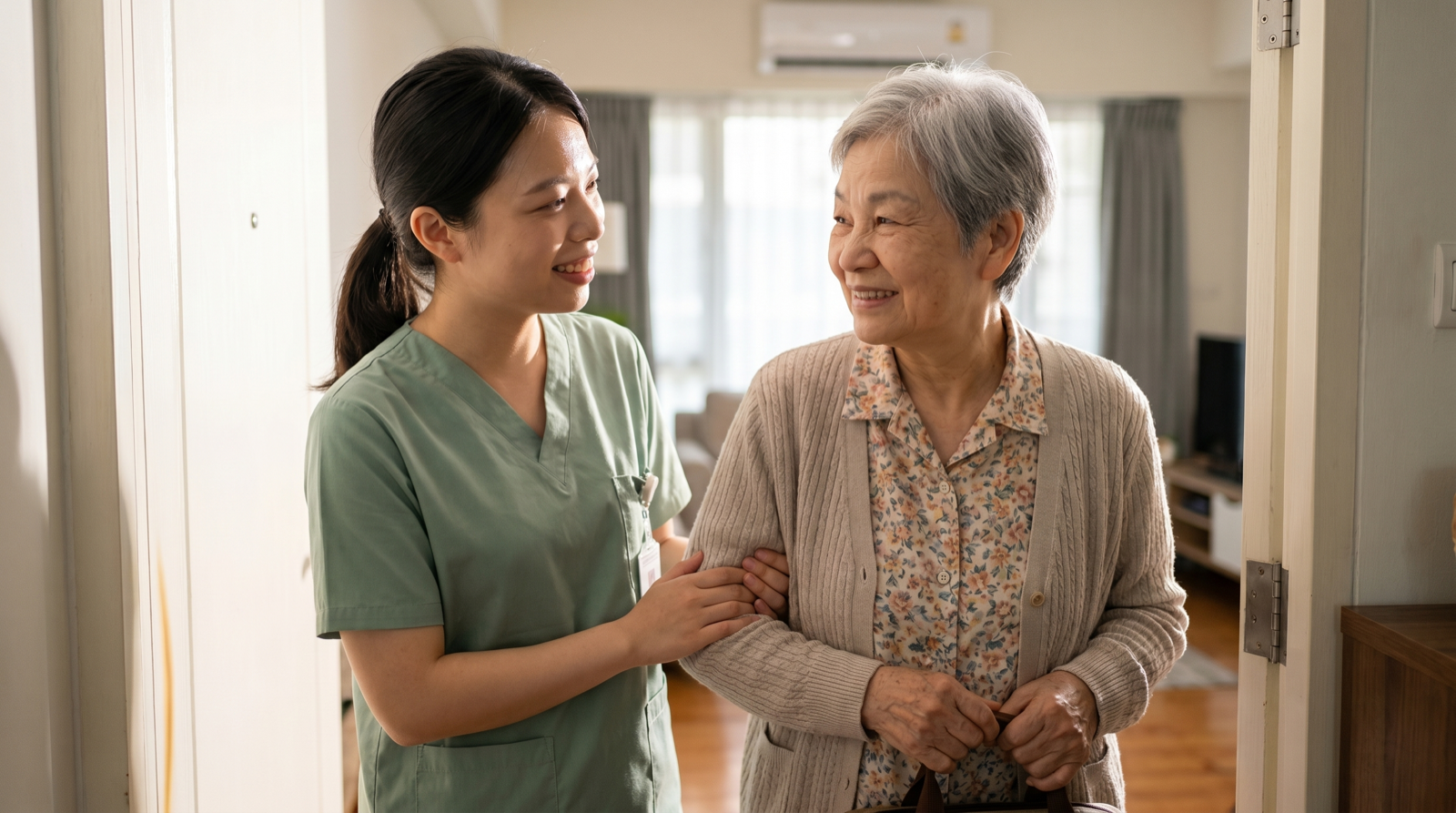
當天最容易被忽略的,是「資訊交接」。離開病房前,請護理師當面說明,傷口目前的狀況與換藥方式、每一種藥的吃法、回診時間,並拿到出院病摘與診斷書。如果有聘請護理師接手照護,最理想的做法是請她直接到病房參與交接,聽醫囑、看傷口、核對藥單,再陪同病人一路回到家中。Alma 的護理師熟悉台大、馬偕、榮總、長庚、新光、國泰、亞東、雙和等醫院的出院流程,就是以這種「病房到家、零空窗」的方式接手。
回家後 72 小時,危險徵兆最容易在這時出現
感染、出血、跌倒、藥物副作用,多半集中在出院後的前三天浮現。以下狀況請立即就醫或回急診
- 發燒超過 38°C、傷口紅腫熱痛加劇或有膿樣分泌物
- 敷料快速滲血、解黑便或血便
- 突然頭暈、意識變差、呼吸急促或胸痛
- 完全吃不下、持續嘔吐,或 8 小時以上無法排尿
這 72 小時也是家屬最容易累垮的時段,夜裡不敢熟睡、每兩小時起來看一次,三天下來自己先倒。如果家中人手不足術後居家照護由具備醫院臨床經驗的護理師輪班接手,家屬才能真正休息,也才有體力陪伴接下來的復原期。
一個簡單的原則,出院是照護場景的轉移,而不是照護的結束。把交接做好,回家的前三天就會踏實許多。
常見問題 FAQ
醫院臨時通知明天出院,還來得及安排看護嗎?
可以,但越早聯繫越好。建議一收到出院消息就同步詢問照護人力;以 Alma 為例,透過 LINE(@205tyguj)通常一小時內回覆,理想上希望在出院前 2 到 3 天確認,急件也會盡力協調護理師當天到病房交接。
出院當天護理師到病房交接,實際會做哪些事?
護理師會與病房團隊核對傷口狀況、用藥清單與醫囑,確認回診與注意事項,再陪同病人返家、協助安頓並開始第一班照護。家屬不必自己當「翻譯」,醫療資訊由護理師直接承接,照護沒有空窗。
特別護士和一般看護有什麼不同?費用怎麼算?
特別護士是具國家證照的護理師(RN),能執行傷口評估、給藥確認、生命徵象監測等專業判斷,遠超過一般的生活協助。Alma 採固定價格,白班(早上 8 點到晚上 8 點)NT$6,000、夜班 NT$6,600、24 小時 NT$12,600(兩位護理師輪班),不另收仲介費。
出院後 72 小時,家屬最該盯哪一件事?
如果只能挑一件,就是「變化趨勢」,體溫、傷口外觀、進食量、意識狀態,每天固定時間記錄一次。比起單一數值,連續惡化(越來越燙、越來越腫、越吃越少)才是最重要的就醫訊號。
出院後家裡沒人照顧該怎麼辦?
出院後若家裡白天沒人,可以安排一位到府護理師承接醫院的照護,不必把所有事都扛在自己身上。Alma 的執照護理師能銜接傷口換藥、鼻胃管、抽痰與用藥,日班 NT$6,000,並可只先預約最需要的幾天。需要可加 LINE @205tyguj,通常一小時內回覆。
爸爸快出院了但我要上班,怎麼辦?
你可以在上班時段請一位護理師到府照顧,下班後再自己接手,不必為了照顧而請假或離職。Alma 採單班計費(日班 NT$6,000),能依你的工作時間彈性安排,由執照護理師處理術後傷口、用藥與日常照護。
出院當天可以馬上找到看護嗎?
通常可以,出院前一兩天先聯繫安排會最穩妥,但臨時當天的需求也常能調度。Alma 在台北、新北、台中、高雄都有護理師,加 LINE @205tyguj 並告知出院時間與照護需求,通常一小時內就會回覆能否當天到府。
出院後的居家照護要怎麼安排?
出院前先向病房護理師索取出院摘要與用藥、傷口、管路的照護指示,再決定需要的照護時段與層級。如果家人有鼻胃管、傷口或需要抽痰,建議找執照護理師而非一般看護。Alma 提供到府銜接服務(日班 NT$6,000),可依出院當天狀況安排人力。
出院 照護 怎麼找?
可以找有提供短期、即時到府的居家護理單位,並確認能銜接醫療處置與用藥。Alma 的執照護理師可承接出院當天的照護,涵蓋台北、新北、台中、高雄,加 LINE @205tyguj 或寄信 hello@caredbyalma.com 即可安排。
出院後傷口和管路在家自己照顧好嗎?
傷口換藥、鼻胃管或導尿管照護若沒有受過訓練,容易發生感染或滑脫而被迫再回急診。出院初期由執照護理師到府處理會安全許多。Alma 的特別護理師能在家完成這些醫療照護並觀察恢復狀況,需要時也能教導家屬日後自行照顧的要點。
If you live overseas and your parent is in a Taiwan hospital, discharge day is often the most stressful moment of the whole admission. Taiwanese hospitals typically announce discharge with only one or two days' notice, and suddenly the family on the ground, or you, coordinating from another time zone, has 48 hours to arrange a caregiver, set up the home, and absorb a folder of wound-care and medication instructions. As a nurse who spent years on hospital wards, I can tell you the transition goes smoothly when you follow a simple timeline.
Three Days Before Discharge, Ask the Right Questions
Every major Taiwan hospital has a discharge planning service (出院準備服務). The moment a doctor hints at discharge, have whoever is at the bedside ask the ward station for the discharge planner, and get answers to four things, how the wound should be cared for at home and when stitches come out; which medications are new and what side effects to expect; what activity is allowed (stairs, bathing, walking unassisted); and exactly which symptoms mean go back to the emergency room versus wait for the follow-up clinic. If you are remote, ask the family member on site to record or write down the answers, details get lost in relay.
This is also when you should lock in care. A pattern we see constantly, families wait until the night before discharge, then scramble on caregiver platforms where freelance caregivers decline last-minute jobs, leaving a one-to-three-day care gap right when risks are highest.Booking a licensed private-duty nursetwo to three days ahead means the handover can be scheduled directly at the ward on discharge day.
One Day Before, Prepare the Home
Have someone walk the route the patient will use, front door to bed, bed to bathroom, and clear rugs, cables, and clutter. Falls are the most common accident in the first week home. Depending on the doctor's advice, arrange a hospital bed or bed rails, a commode chair or walker, non-slip mats, a night light, a thermometer, and a blood pressure monitor. Stock wound supplies (gauze, saline, paper tape) before the patient arrives, not after.
Discharge Day, The Handover Matters More Than the Luggage
The most commonly skipped step is the information handover. Before leaving the ward, the ward nurse should walk through the wound's current condition, every medication on the list, and the follow-up schedule, and the family should collect the discharge summary. If you have hired a nurse, the ideal arrangement is for her to come to the ward, take that handover directly, wound check, medication reconciliation, doctor's instructions, and then accompany the patient home. This is how Alma structures discharge-day care, our nurses know the discharge workflows at NTUH, MacKay, Veterans General, Chang Gung, Shin Kong, Cathay, Far Eastern, Shuang Ho and the major Taichung and Kaohsiung hospitals, so there is no gap between hospital care and home care. For overseas families, it also means one professional point of contact instead of fragmented updates.
The First 72 Hours at Home
Infection, bleeding, falls, and medication side effects cluster in the first three days after discharge. Seek immediate medical attention for any of the following
- Fever above 38°C, or a wound that is increasingly red, swollen, hot, or draining pus
- Dressings soaking through with blood, or black or bloody stools
- Sudden dizziness, confusion, shortness of breath, or chest pain
- Inability to eat, persistent vomiting, or no urination for more than 8 hours
These three days are also when family caregivers burn out, checking on the patient every two hours through the night, then collapsing by day three. If the family in Taiwan is stretched thin, professional post-surgery home care with nurses working in shifts lets everyone sleep. Alma's pricing is fixed and simple to coordinate from abroad, NT$6,000 for a day shift (8am to 8pm), NT$6,600 for nights, NT$12,600 for 24-hour coverage with two nurses rotating, and no agency fees.
Discharge is care changing location, not the end of care. Get the handover right, and the first three days at home become far less frightening.
FAQ
I live abroad, can I arrange discharge-day nursing care for my parent remotely?
Yes. Everything can be coordinated over LINE (@205tyguj, replies within an hour) or email (hello@caredbyalma.com), share the hospital, ward, and expected discharge date, and the nurse meets your family at the bedside for the handover. We recommend reaching out two to three days before the planned discharge.
What is the difference between a licensed nurse (特別護士) and a regular caregiver?
A 特別護士 is a nationally licensed registered nurse with hospital clinical experience. Beyond daily-living assistance, she can assess wounds, monitor vital signs, manage medications, and recognize early warning signs, exactly the skills that matter in the first 72 hours after discharge. Every caregiver Alma assigns is a licensed RN.
The hospital just told us discharge is tomorrow. Is it too late to book?
Contact us right away, short-notice requests are common and we will do our best to assign a nurse for a ward handover the same day. Alma coversTaipeiNew Taipei, Taichung, and Kaohsiung.
What should the family watch most closely in the first 72 hours?
Trends, not single readings. Record temperature, wound appearance, food intake, and alertness at the same time each day. A steady worsening, warmer, more swollen, eating less, is a stronger signal to seek care than any one number in isolation.
What do I do if there's no one to care for my parent after discharge?
If no one is home during the day after discharge, you can have a nurse come to the house and pick up where the hospital left off, instead of carrying it all yourself. Alma's licensed RNs continue wound dressing, NG tube care, suctioning and medication at NT$6,000 a day shift, and you can book just the first few days you need. Message LINE @205tyguj and we usually reply within an hour.
My dad is being discharged but I have to work, what can I do?
You can have a nurse cover the hours you're at work and take over yourself when you get home, so you don't have to take leave or quit your job to provide care. Alma charges by the shift (NT$6,000 for a day shift) and can fit around your work hours, with a licensed RN handling post-op wounds, medication and daily care.
Can I arrange a caregiver on the same day as discharge?
Usually yes. Arranging it a day or two before discharge is safest, but same-day requests can often be covered too. Alma has nurses across Taipei, New Taipei, Taichung and Kaohsiung. Message LINE @205tyguj with the discharge time and care needs, and we usually confirm same-day availability within an hour.
How do I arrange care after hospital discharge in Taiwan?
Before discharge, ask the ward nurse for the discharge summary and instructions on medication, wounds and tubes, then decide what hours and level of care you need. If your loved one has an NG tube, a wound or needs suctioning, choose a licensed nurse over a general caregiver. Alma offers a home handoff service (NT$6,000 a day shift) staffed to match the condition on discharge day.
Where do I find a discharge-day caregiver?
Look for a home nursing provider that does short-term, quick-response home visits and can continue medical procedures and medication. Alma's licensed RNs can take over care on discharge day across Taipei, New Taipei, Taichung and Kaohsiung. Arrange it via LINE @205tyguj or hello@caredbyalma.com.
Is it safe to handle wounds and tubes at home after discharge myself?
Without training, wound dressing and NG or urinary catheter care can lead to infection or dislodging that sends you back to the ER, so the early days after discharge are far safer with a licensed nurse. Alma's special nurses can do this care at home and watch recovery, and can teach family the key points for managing it yourselves later.