世界一流的醫療,加上一對一的私家護理World-class healthcare, completed by one-on-one nursing
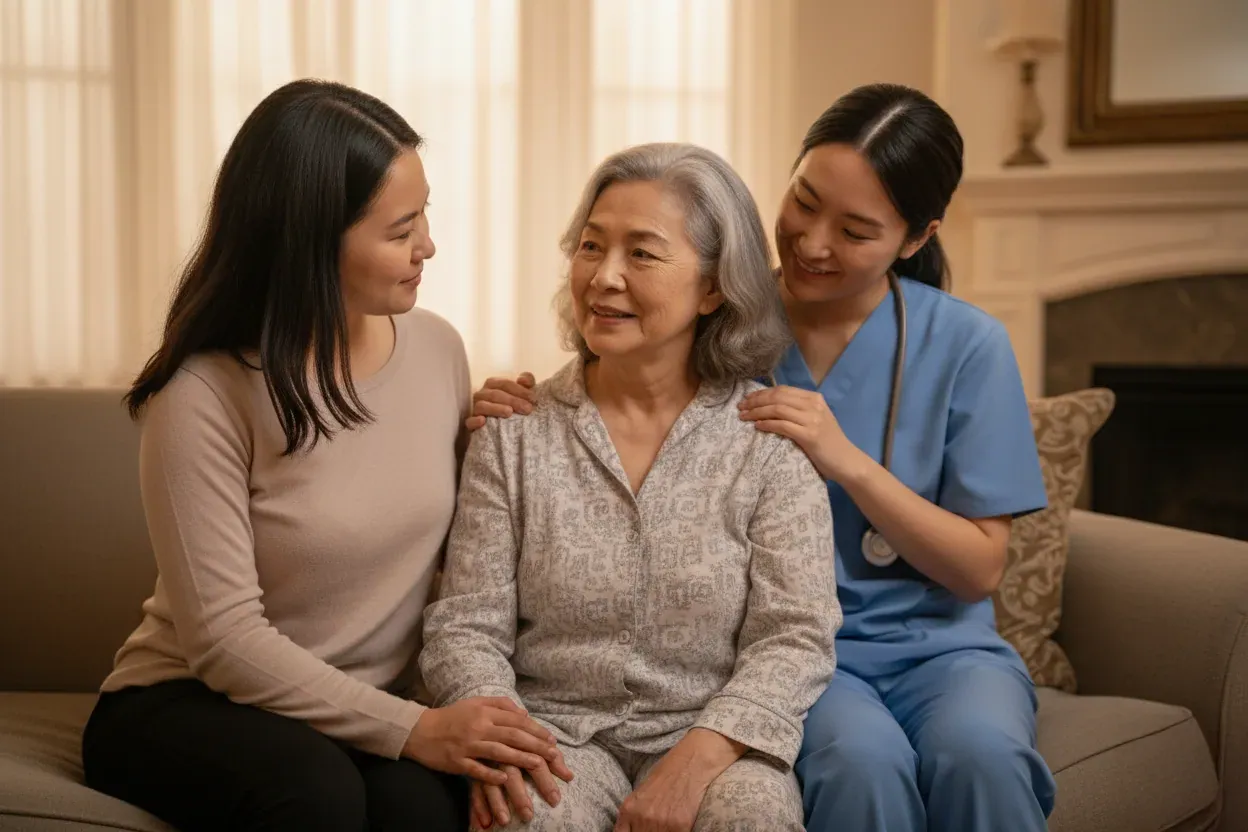
醫院負責治療與手術,回家之後的照護由我們的持牌護理師補足。Hospitals handle treatment and surgery; our licensed nurses complete the care at home.
為什麼許多人專程來台灣就醫Why so many come to Taiwan for treatment
可近性高Highly accessible
醫療可近性高、等候時間短。High accessibility and short wait times.
受國際肯定Respected facilities
醫院設備與專科水準受國際肯定。Internationally respected hospital facilities and specialties.
性價比突出Strong value
費用相對低廉,性價比突出。Relatively low costs with strong value.
健保涵蓋廣Broad coverage
全民健保制度涵蓋廣泛。Broad coverage under national health insurance.
資源密集Dense resources
主要城市醫療資源密集。Dense medical resources in major cities.
適合醫療旅遊Good for medical travel
適合醫療旅遊與術後恢復。Well suited to medical travel and post-surgery recovery.
醫院治好了病,回家之後,傷口、用藥與復健仍然需要有人專業地照顧。這正是我們補足的那一塊。The hospital treats the illness, but at home the wounds, medication, and rehab still need professional care. That is the gap we fill.
阿爾瑪 Alma 創辦人・護理師Alma founder, RN
把醫院的照護順暢延續到家中Carrying hospital care smoothly into the home
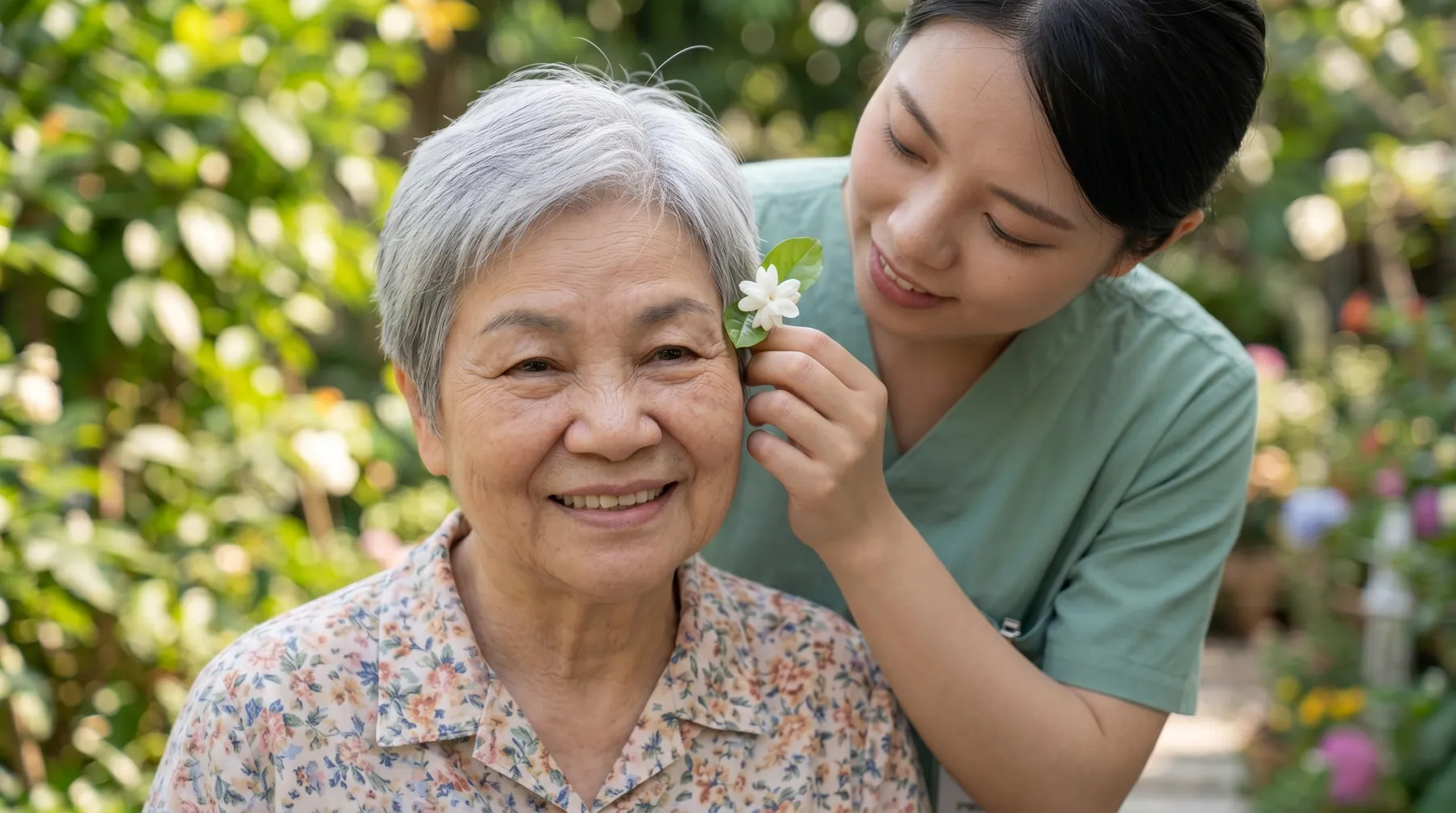
再好的醫療,出院之後仍需要有人照顧傷口、管理用藥、協助復健,並在身邊及時觀察。台灣的醫院通常不提供一對一貼身看護,這正是阿爾瑪特別護士介入的地方。However good the medicine, after discharge someone still needs to tend wounds, manage medication, support rehab, and watch over the patient day to day. Taiwan's hospitals generally don't provide one-on-one bedside nursing, and that's where Alma's special nurses step in.
我們可在出院當天到府銜接,對在美國的家屬以英文或中文持續回報恢復進度,整個安排可從美國透過 WhatsApp 或 Email 完成。We can begin the handover on discharge day, report recovery progress in English or Chinese to family in the US, and the whole thing can be arranged from the US over WhatsApp or email.
特別護士收費(台灣)Private nurse rates in Taiwan
固定收費、無仲介費。匯率為約略換算,實際以新台幣計價。Flat rates, no agency markup. Local currency figures are approximate, and billing is in NT$.
≈ $185
≈ $205
≈ $390
更多資訊More for US families
常見問題Frequently asked questions
台灣的醫療真的有那麼好嗎?Is Taiwan's healthcare really that good?
台灣的醫療在可近性、品質與費用的綜合表現上,長年在國際評比中名列前茅,也是許多醫療旅客的選擇。要注意的是,醫院主要負責治療與手術,出院後的一對一照護需要另外安排,這正是私家護理的價值。Taiwan consistently ranks among the world's best on the combination of accessibility, quality, and cost, and is a popular choice for medical travelers. Keep in mind that hospitals focus on treatment and surgery; one-on-one care after discharge needs to be arranged separately, which is where private nursing adds value.
既然醫療這麼好,為什麼還需要私家護理師?If the healthcare is so good, why do I still need a private nurse?
因為醫院的照護到出院為止。回到家後的傷口換藥、用藥管理、復健協助與日常照顧,醫院通常不負責,也不提供一對一貼身看護。阿爾瑪的持牌護理師正是補足這一段。Because hospital care ends at discharge. Wound dressing at home, medication management, rehab support, and daily care generally aren't the hospital's job, and hospitals don't provide one-on-one bedside nurses. Alma's licensed nurses fill that stretch.
我從美國帶家人來台灣就醫,你們能協助術後照護嗎?We're bringing a family member from the US for treatment in Taiwan, can you help with post-surgery care?
可以。我們可在出院當天到府銜接,提供術後傷口照護、用藥管理與恢復期的一對一照顧,並以英文或中文向您回報。整個安排可從美國透過 WhatsApp 或 Email 完成。Yes. We can begin the handover on discharge day, providing post-surgery wound care, medication management, and one-on-one care through recovery, with updates in English or Chinese. The whole thing can be arranged from the US over WhatsApp or email.
醫療旅遊期間,護理師能配合短期照護嗎?During a medical-travel stay, can a nurse cover just the short term?
可以。沒有最低天數或長約限制,您可以只在術後恢復期安排日班、夜班或 24 小時照護。費用固定透明,我們會在開始前提供書面報價。Yes. There's no minimum or long contract, so you can book day, night, or 24-hour care just for the recovery period. Pricing is fixed and transparent, with a written quote before anything starts.